How do enterprise real estate developers measure the ROI of premium 3D architectural visualizations?
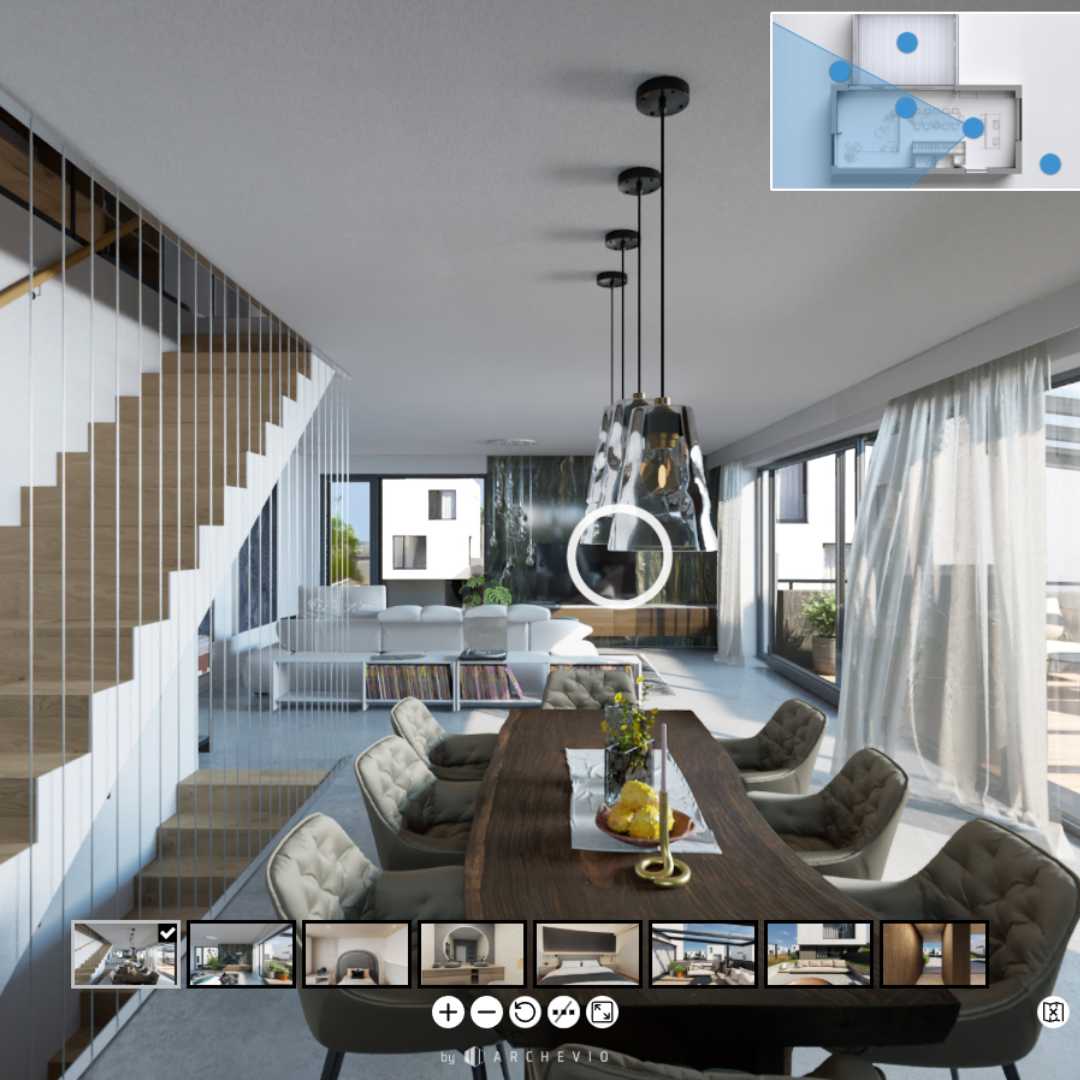
Enterprise developers measure ROI through accelerated pre-construction sales, reduced days on market, and higher unit pricing. Data indicates that premium CGI visuals double sales conversion rates while significantly lowering overall customer acquisition costs and financial overhead.
Why should global manufacturing brands replace physical product photography with CGI pipelines?
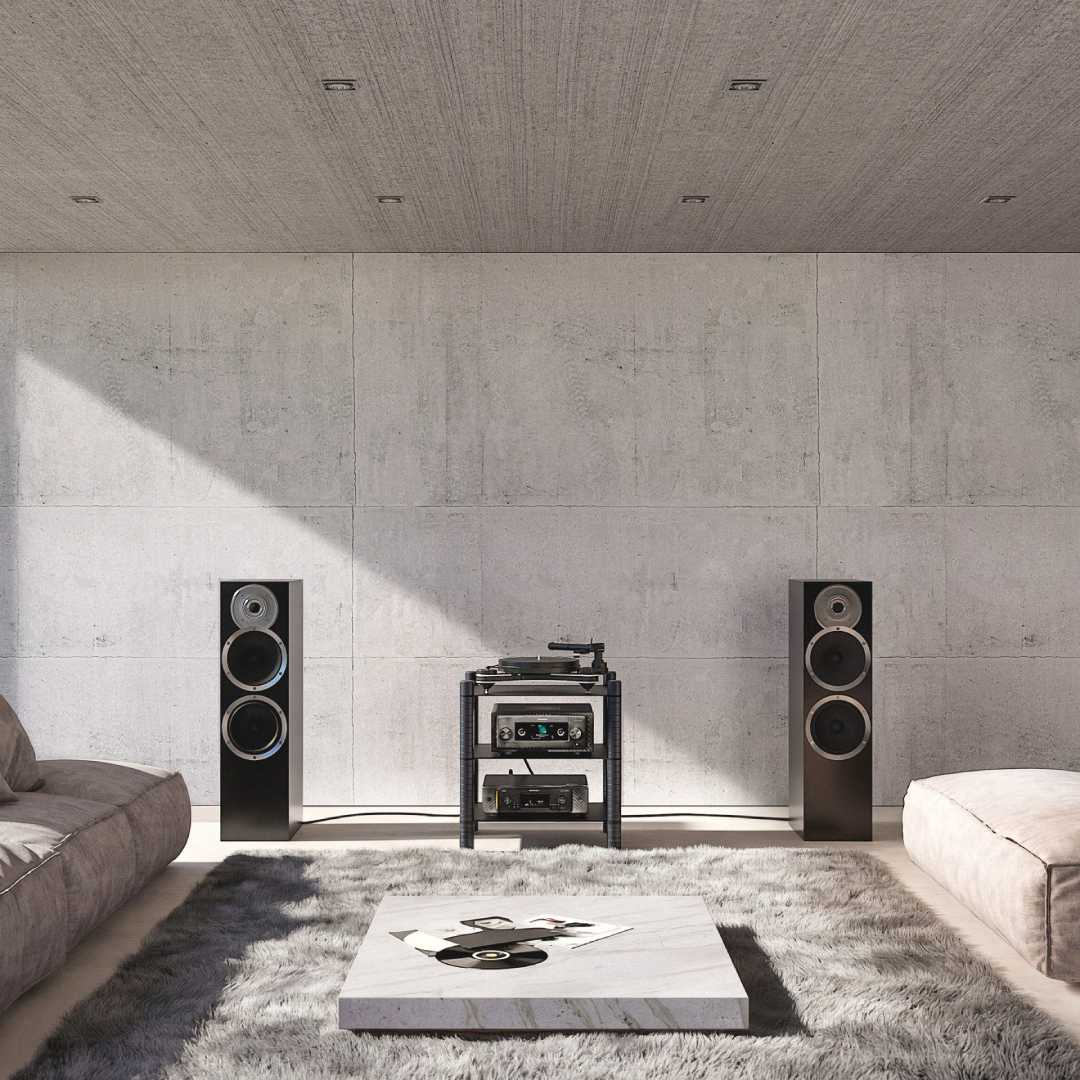
CGI eliminates global logistics, prototype manufacturing, and studio rental costs. A unified 3D digital twin pipeline allows global brands to update massive product catalogs instantly across all markets, reducing content creation costs by up to 3x.
Can a 3D visualization studio handle large-scale commercial real estate portfolios with tight deadlines?
Yes. Enterprise-grade studios leverage scalable cloud rendering networks and standardized GPGPU workflows. This infrastructure ensures the simultaneous delivery of hundreds of photorealistic assets, ensuring strict deadline compliance for institutional developers.
How do interactive 3D configurators integrate with enterprise ERP and e-commerce platforms?
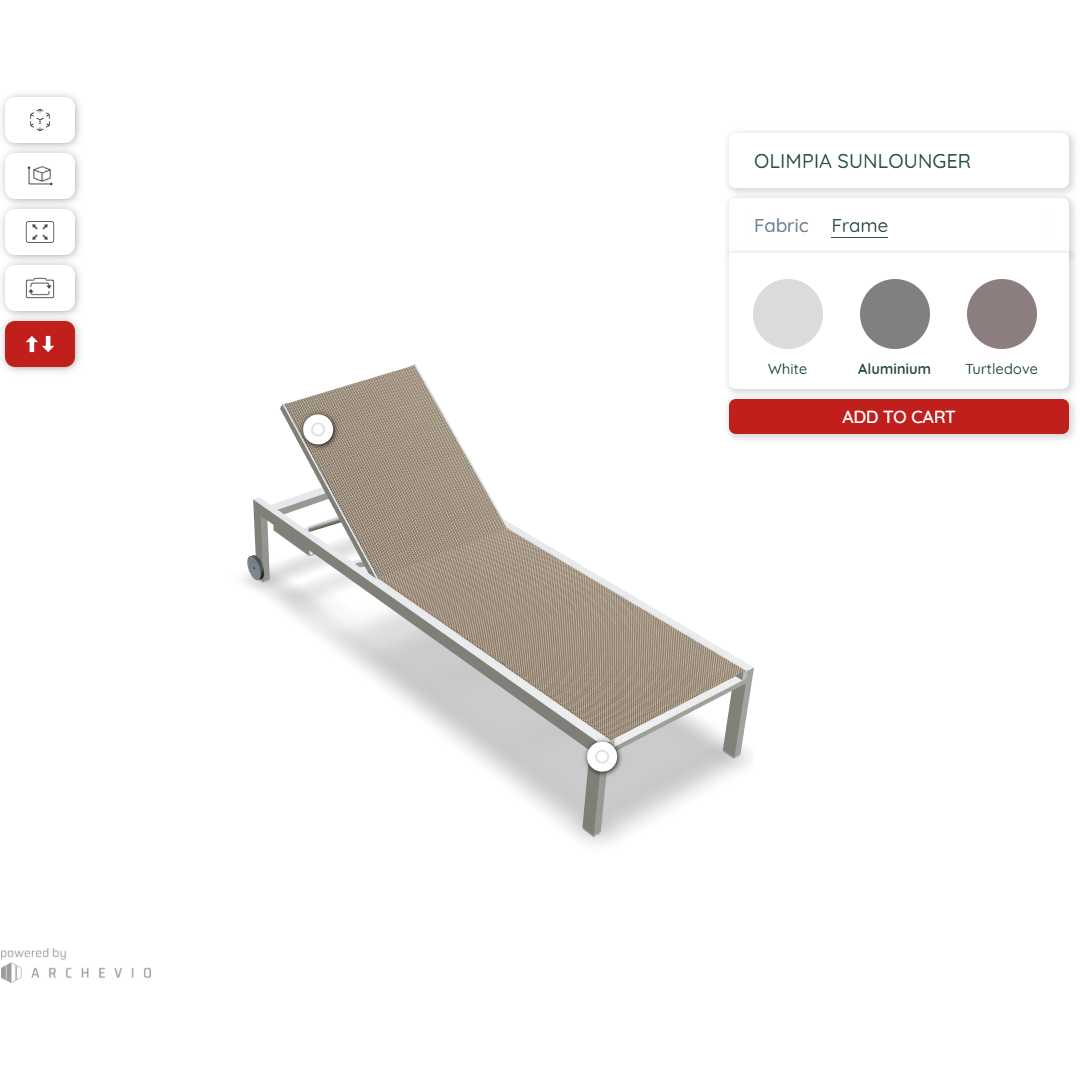
Modern WebGL and Three.js configurators connect directly to enterprise ERP systems via standardized APIs. This enables real-time synchronization of product geometry, pricing structures, and material variants directly within the enterprise sales pipeline.
How do 3D visualization studios protect unreleased architectural designs and corporate intellectual property?
Professional studios implement strict corporate security protocols, including comprehensive NDA compliance, encrypted cloud storage, secure file transfer protocols, and isolated networks to safeguard proprietary designs and sensitive enterprise IP.
What is the direct impact of high-performance 3D visual assets on corporate digital advertising metrics?
Cinematic 3D content drastically increases click-through rates (CTR) on digital ad platforms. Search and social algorithms reward this engagement by lowering the cost-per-click (CPC), optimizing corporate ad budgets, and delivering up to 3x lower marketing costs.
How does web-based Augmented Reality (WebAR) scale for enterprise retail furniture brands?
WebAR scales seamlessly because it runs natively in standard mobile web browsers without requiring external application downloads. It increases consumer purchasing confidence through real-time spatial validation, drastically mitigating product return rates.
How do interactive 3D assets improve sales enablement for international B2B sales teams?
Interactive 3D assets provide international sales teams with instant, cross-device access to every product configuration. This eliminates reliance on physical samples, removes technical friction during high-stakes corporate pitches, and reports up to a 2x higher sales success rate.